How I Turned Low-Volume Cymbals into Electronic Powerhouses
Share
As an electronic drummer, one of the biggest challenges I’ve always faced is finding realistic-feeling electronic cymbals. No matter how advanced modern e-drums get, there’s still something about real metal cymbals - the movement, rebound, and natural response - that’s hard to replicate.
That’s why more and more drummers are turning to a powerful solution:
converting low-volume acoustic cymbals into electronic cymbals
This hybrid approach combines the authentic feel of acoustic cymbals with the flexibility of electronic drum triggers, and honestly - it’s a game changer.
Why Drummers Want More Realistic Electronic Cymbals
If you’ve ever played rubber or plastic cymbal pads, you already know:
The rebound feels artificial
The swing and weight aren’t realistic
Dynamic response can feel limited
Electronic cymbals rely on piezo sensors and trigger systems to detect hits and send signals to a drum module . While this technology is powerful, the physical feel is still very different from real cymbals.
That’s where low-volume cymbals (LV cymbals) come in.
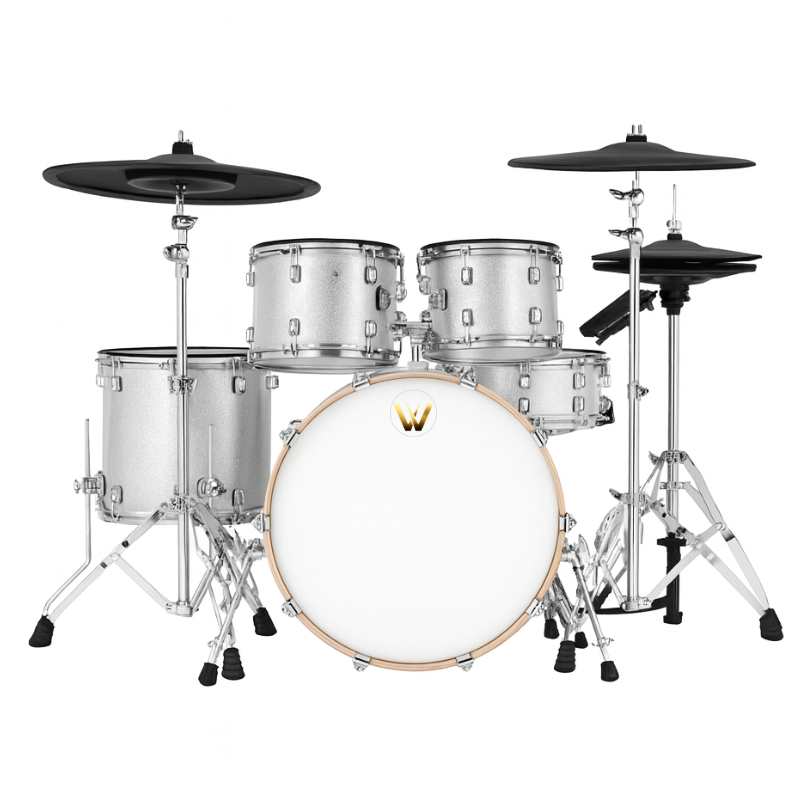
The Hybrid Solution: Low Volume Cymbal Conversion
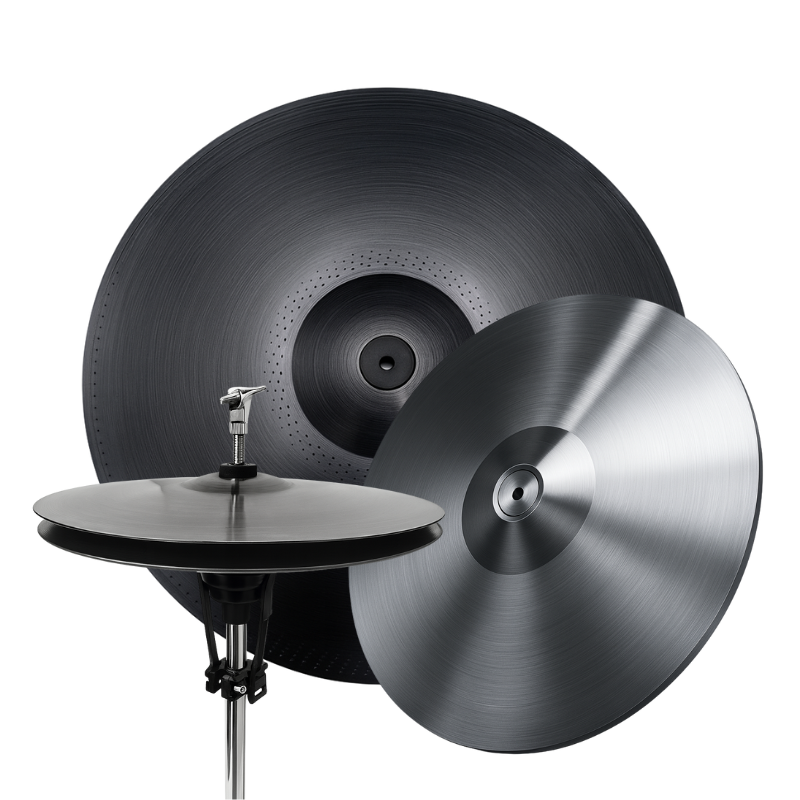
Low-volume cymbals are designed to reduce acoustic noise while maintaining the natural feel and motion of real cymbals.
According to conversion guides, they are ideal for triggering because they:
Reduce unwanted vibrations
Improve trigger accuracy
Keep a realistic playing experience
By adding a cymbal trigger system, you essentially transform them into electronic cymbals with real feel.
This process is often called:
acoustic to electronic conversion
hybrid drum kit setup
cymbal trigger conversion
And you can learn the full process here:
https://worldrummers.com/pages/acoustic-to-electronic-drum-conversion
What You Need to Convert Cymbals
From my experience, and based on professional setups, you’ll need a few key components:
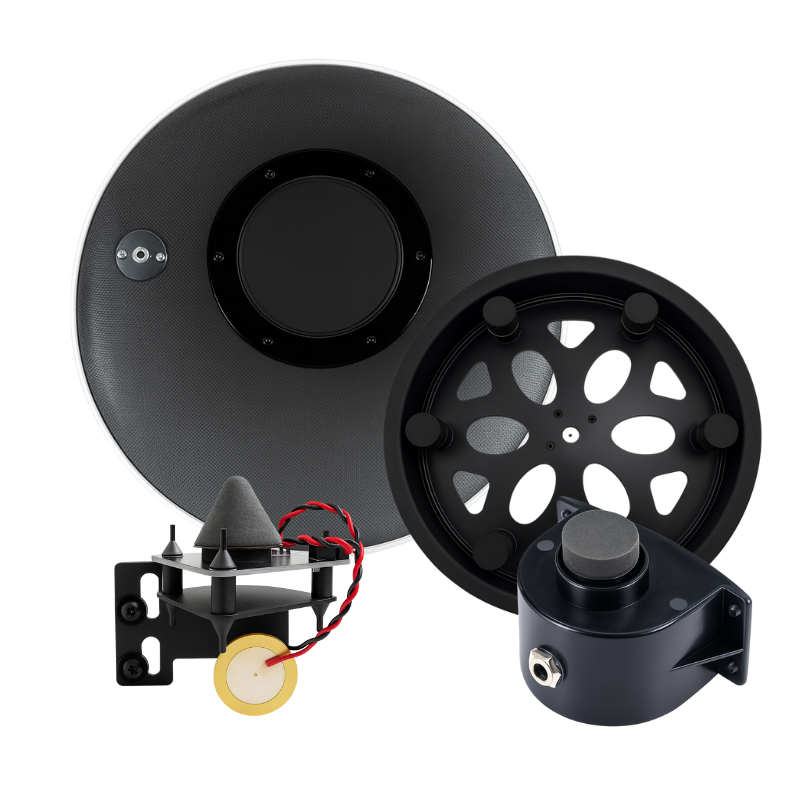
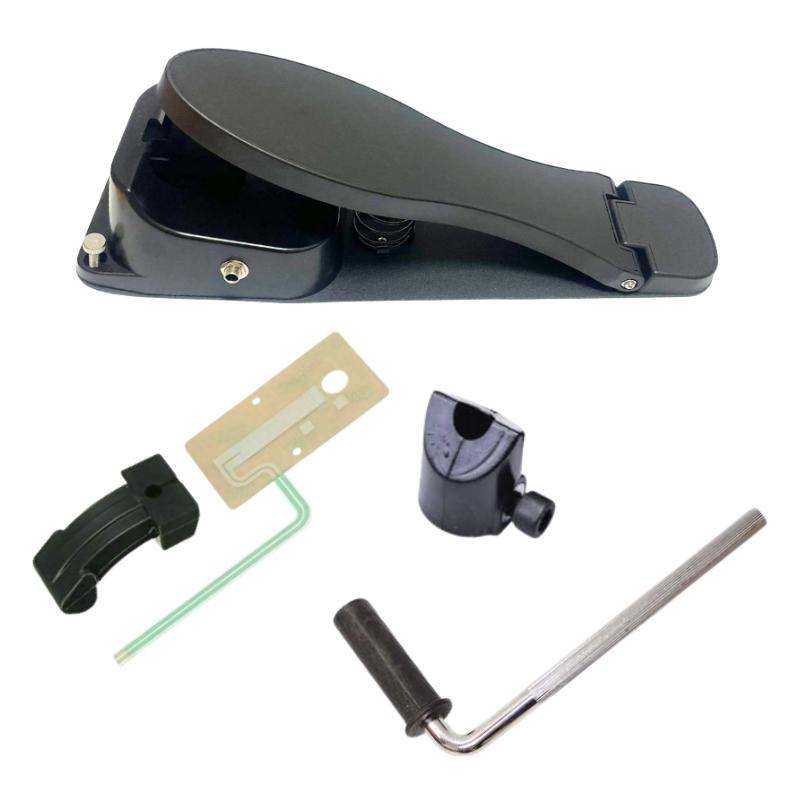
1. Cymbal Triggers
These are the heart of the system.
They use piezo sensors to detect vibrations and convert them into electrical signals .
More advanced setups include:
dual-zone triggers (bow + edge)
360° edge triggering
choke functionality
Browse options here:
https://worldrummers.com/collections/cymbal-triggers
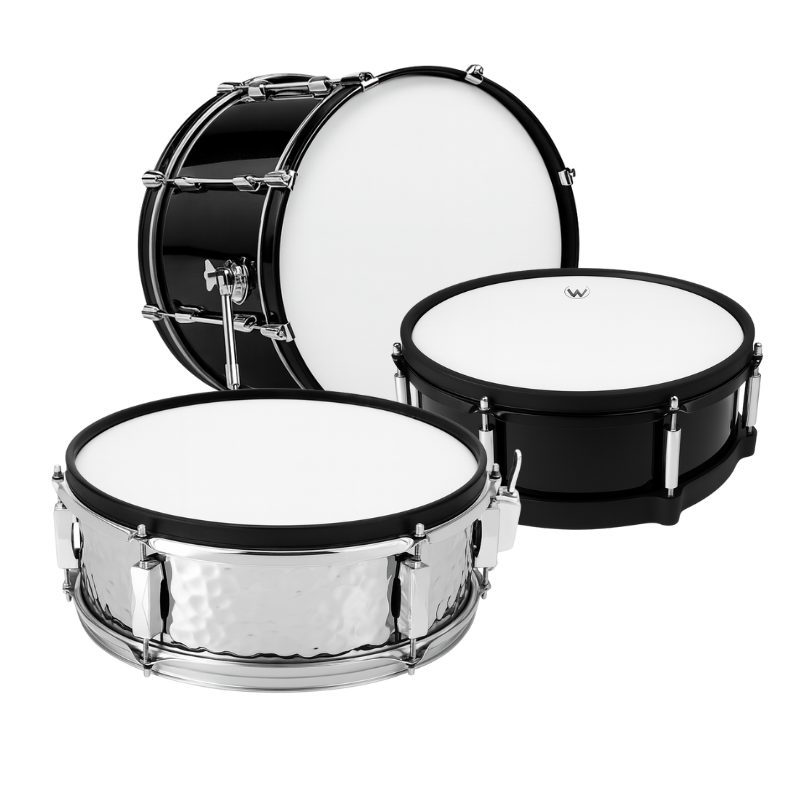
2. Drum Triggers & Conversion Gear
If you’re building a full hybrid kit, you’ll likely expand beyond cymbals.
Check out:
https://worldrummers.com/collections/drum-trigger
These allow you to convert your entire acoustic kit into an electronic setup.
3. Electronic Drum Parts
Cables, mounts, sensors - all the small things that make a big difference.
Full range here:
https://worldrummers.com/collections/electronic-drum-parts
4. Stable Mounting Hardware
A solid setup is critical for accurate triggering.
Recommended hardware:
https://worldrummers.com/collections/electronic-drum-stands
How Cymbal Triggering Actually Works
Here’s the simple version:
You hit the cymbal
The trigger detects vibration
A piezo sensor converts it into voltage
The signal goes to your drum module
Your module plays a sound
This is the same principle used across electronic drums - triggers act as transducers converting physical hits into digital signals .
Real Benefits of This Setup
After switching to converted cymbals, the difference is huge:
Real Feel
You’re playing actual metal cymbals - not rubber pads.
Low Volume Practice
Perfect for apartments or studios.
Full Sound Control
You can trigger any sound from your module:
acoustic samples
electronic sounds
MIDI instruments
Hybrid Flexibility
You can mix acoustic and electronic elements in one kit.
Important Trigger Settings (Don’t Skip This)
To get the best performance, you need to dial in your module:
Threshold – controls sensitivity to soft hits
Sensitivity – affects dynamic range
Response curve – shapes how velocity translates to sound
Crosstalk & retrigger settings – prevent false triggering
These settings are what turn a “working” setup into a professional-feeling instrument.
My Take as an Electronic Drummer
I used to chase the “perfect electronic cymbal” - buying different pads, upgrading modules, tweaking endlessly.
But the moment I converted my first low-volume cymbal with a proper trigger system, everything changed.
It finally felt like:
a real cymbal
with electronic control
and studio-level flexibility
That’s the sweet spot.
If you’re serious about electronic drumming and still searching for realism, this is one of the best upgrades you can make.
Converting low-volume cymbals using professional trigger systems - like the ones available at
https://worldrummers.com/
…isn’t just a DIY trick.
It’s a pro-level solution used in hybrid setups, live performances, and recording environments.
And once you try it -
you won’t want to go back.