Drumsticks Guide – 5A vs 5B vs 7A
Share
Choosing the right drumstick can transform your playing experience. The most common sizes drummers consider are 5A, 5B, and 7A. Each one is suited for different styles, dynamics, and feel.
5A Drumsticks
Balanced and versatile, 5A sticks are considered the industry standard for all-around playing. They offer a comfortable thickness and weight, making them ideal for rock, pop, and general practice.
5B Drumsticks
Heavier and thicker than 5A, 5B sticks are great for louder genres like hard rock and metal. They provide more power and durability but can feel bulky for fast or delicate playing.
7A Drumsticks
Thinner and lighter than 5A, 7A sticks are preferred for jazz, funk, and light acoustic settings. Their reduced weight allows for faster movement but less volume and attack.
5A vs 5B vs 7A: which should you choose?
- Choose 5A if you want a versatile starting point for lessons, practice and mixed musical styles.
- Try 5B if you prefer a thicker stick and more weight in your hand for rock or louder playing.
- Try 7A if a lighter, slimmer stick feels more comfortable for quieter playing.
Size labels are a starting point. Length, diameter, taper and material can vary between brands and series, so compare the specifications of the exact model before ordering. A stick should feel comfortable with a relaxed grip; choosing a larger size does not replace control or technique.
Choosing drumsticks for electronic drums
Check the recommendations for your drum kit or pads. Roland notes that both wood and nylon tips work on its V-Pads and V-Cymbals, and recommends keeping a fresh pair for electronic drums rather than using burred or chipped sticks. Inspect the tips regularly, especially if you also play acoustic cymbals.
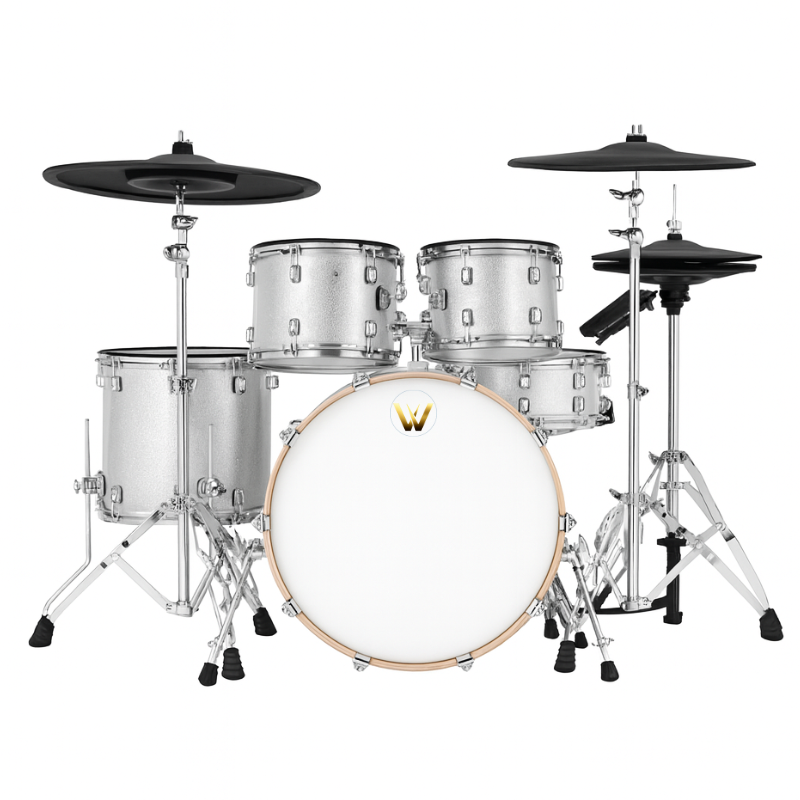
Ready to compare available models? Shop drumsticks and check each product for its size, material and tip. For your practice setup, explore electronic drum kits or drum accessories.
Drumstick questions before you buy
Are 5A drumsticks suitable for beginners?
5A is a useful all-round starting point, but hand comfort matters. Ask your teacher whether another size would suit your grip and playing goals.
Will a heavier stick make me play louder?
A heavier stick can change the feel and attack, but your technique and playing surface also matter. Try the same groove at several volumes before deciding.
For a manufacturer example, compare the Vic Firth American Classic 5A specifications. For electronic-pad care, see Roland's electronic drum FAQ.
How to Play Ghost Notes Properly
Ghost notes are soft, subtle strokes usually played on the snare between main beats. They add groove, texture, and feel without overwhelming the rhythm.
Key Techniques
-
Keep the stick low to the head for a softer touch
-
Use mostly fingers and a light wrist motion
-
Ghost notes should sound like a whisper under the groove
Practice Tips
-
Play a basic groove with ghost notes on the snare (between hi-hat and kick)
-
Isolate ghost notes with metronome exercises
-
Record yourself to monitor dynamics and spacing