

-
 Limited Time Offer
TRS Stereo Cable – 2M
Regular price €3,00 EURRegular price€6,00 EURSale price €3,00 EURLimited Time Offer -

 Limited Time Offer
Splitter Cable for Electronic Drums – Tom Rim to Cymbal Expansion
Regular price €11,00 EURRegular price€15,00 EURSale price €11,00 EURLimited Time Offer -
 Limited Time Offer
Multicore Cable for Roland Modules
Regular price €25,00 EURRegular price€40,00 EURSale price €25,00 EURLimited Time Offer -
 Limited Time Offer
Lemon Hi-Hat Link Cable – 12.5cm TRS
Regular price €5,00 EURRegular price€10,00 EURSale price €5,00 EURLimited Time Offer -
 Stock Update Coming Soon
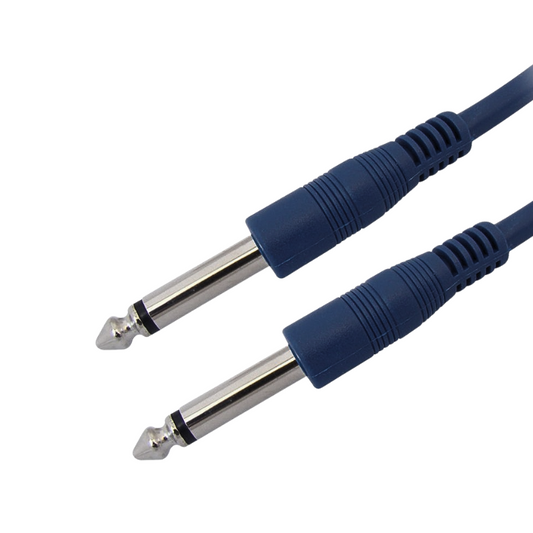
TS Cable (Mono) – 1.3 Meter | 1/4" Jack for Electronic Drums
Regular price €3,00 EURRegular price€5,00 EURSale price €3,00 EURStock Update Coming Soon


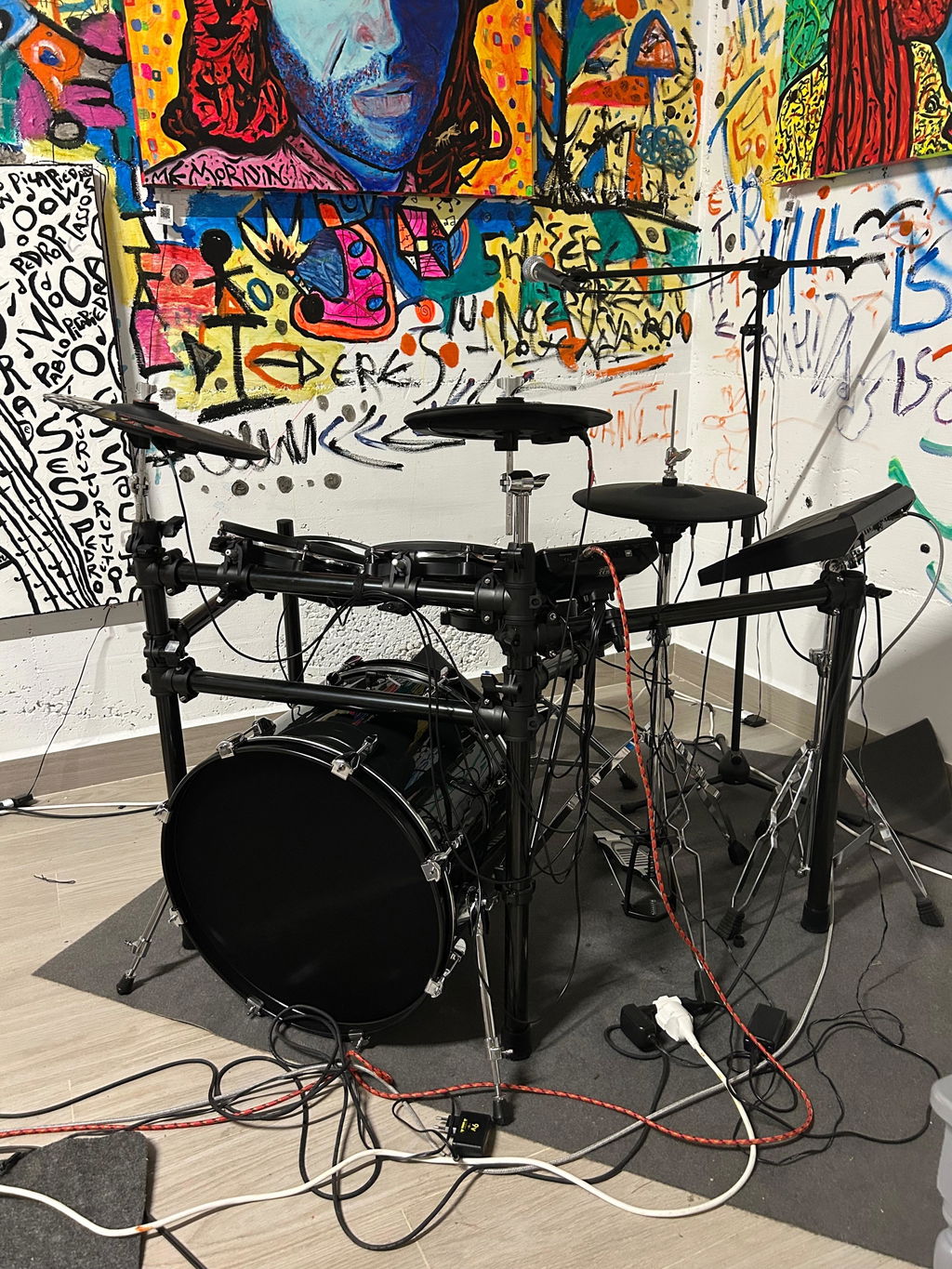
zboží mi přišlo obratem, dobře zabalené. kupoval jsem snímačovou desku 12 a 16 palců. funguje to perfektně, vysoká citlivost i při nízké intenzitě na modulu. jediný nedostatek je krátký průchozí konektor.koupil bych i jiné rozměry, ale zatím nejsou k dispozici
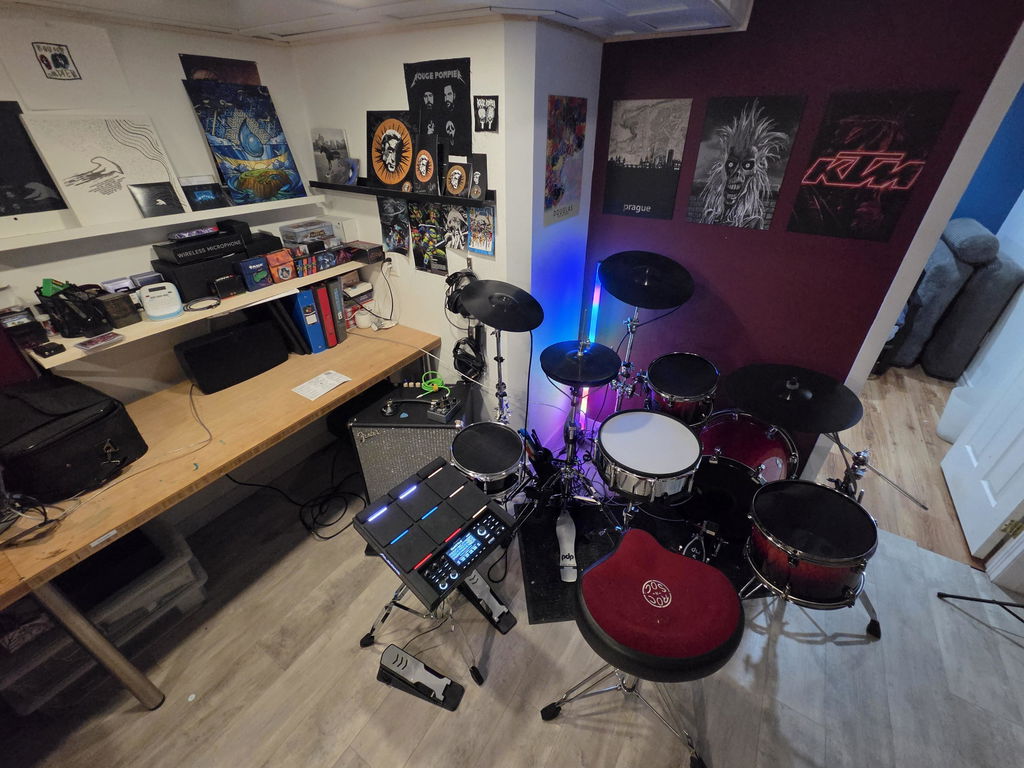
Really happy I found World Drummers. I’m in the US and ordered some Phantom gear from them - honestly, great stuff.
Everything arrived well packed, the gear feels awesome, and whenever I had a question they were quick to help. Definitely keeping these guys on my radar for future upgrades.
Compravendita avvenuta perfettamente spedizione rapida che dire sicuramente ritornerò ad acquistare
Grazie
Snelle levering...correct...
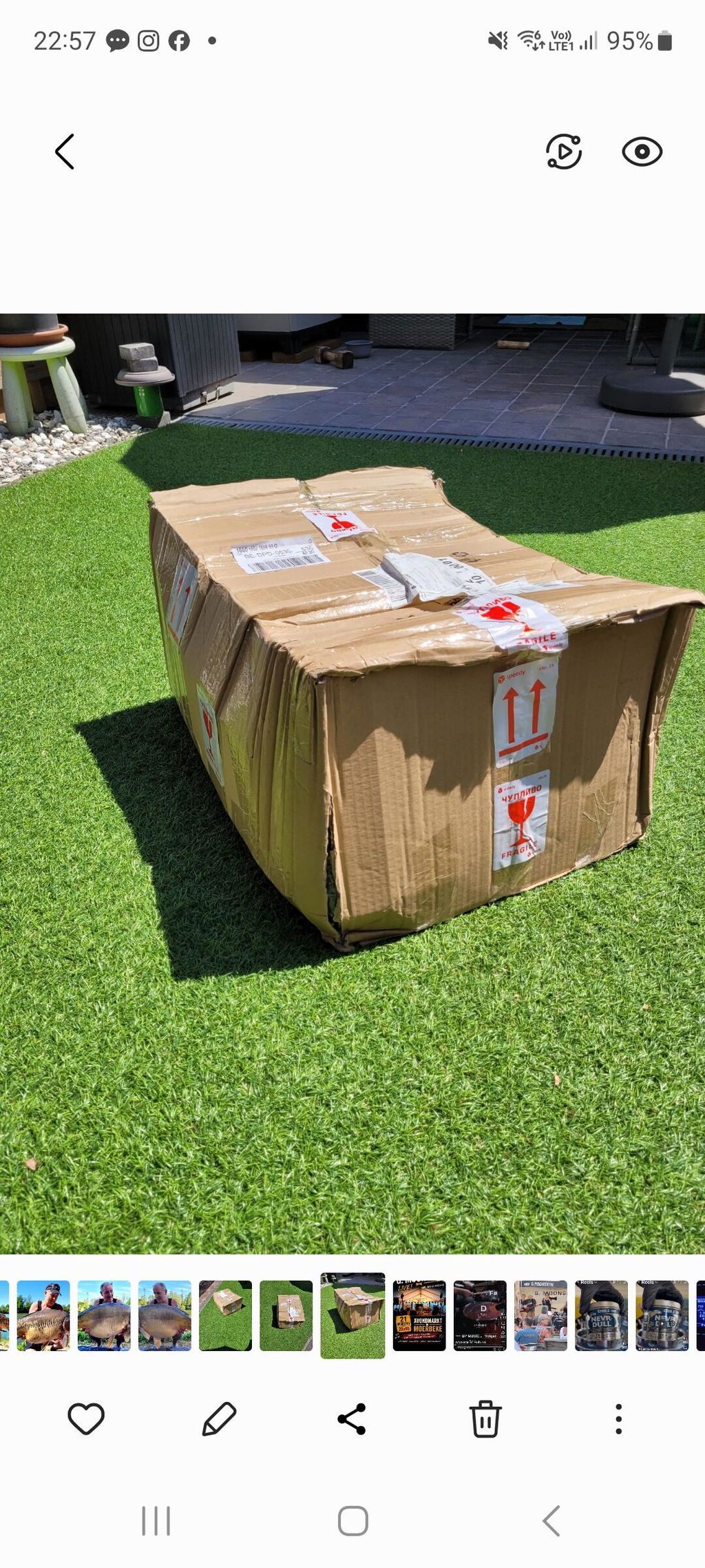
Juist niet echt tevreden over hoe ik mijn pakje geleverd kreeg...de doos was helemaal gekreukt en in gedrukt...kan world drummer niks aan doen maar miss toch eens praten met de firma die de levering doet...

The Hydrolic, ergonomic, comfortable and silent. Everything I needed for my home office!
Shopping was a breeze! I had been “window shopping” for a while and when I had saved up the money I pulled the trigger and am really happy with my purchase. The whole shopping and checkout process was great. My only suggestion would be to make some more demo videos to attach to the products page.
Good communication, swift posting and customer-friendly people. It’s a pity the postage costs are quote high, especially when you want to return the product.
Blog posts
Choose cables for the actual trigger connection
Start with the pad or cymbal outputs and the module input you will use. Note the required TS or TRS wiring, plug size and whether an individual cable or a specific harness is needed.
Plan the cable route
Measure around the rack and leave enough slack for positioning without pulling against connectors. Check clearance for straight and right-angle plugs, and keep cables away from moving pedals.
Expansion needs more than a plug adapter
A splitter must match an explicitly supported module input arrangement. For a three-zone ride, check the specified bow/edge and bell connections rather than substituting an ordinary audio Y-cable.
Electronic Drum Cables — FAQ
Do electronic drum pads need TS or TRS cables?
Use the cable specified for the pad and module input. TRS connections can carry separate trigger signals, while TS connections are used for some single-zone designs. Connector size alone does not confirm the electrical wiring or supported zones.
Will a splitter cable add another pad to any drum module?
No. A suitable splitter uses an input arrangement the module must support, often repurposing a head/rim connection. It does not create new trigger-processing capacity. Check the exact splitter wiring, module input and the functions you may lose.
How many cables do I need for a three-zone ride cymbal?
Some ride designs require separate bow/edge and bow/bell cables. Confirm the selected ride's outputs and the module's ride/bell input arrangement before ordering; an ordinary Y-cable is not a universal substitute for the required connections.
How do I choose a replacement trigger cable length?
Measure the actual route from module to pad, leaving a small service loop without pulling on connectors. Keep cables clear of moving pedals and avoid tight bends. Check straight or right-angle plug clearance around the rack and module.