Yamaha DTX-PROX Upgrades: Dialed Pads, USB Audio, Pro Studio Flow
Maximize what your Yamaha DTX-PROX–based kit can deliver with upgrades that heighten stick feel widen expressive range and simplify capture
Pair the module’s multi-channel USB audio ambience and compression with a harder-hitting kick a larger more articulate snare precise hi-hat control musical multi-zone cymbals steadier hardware and a clean DAW workflow for confident practice recording and live shows
Why Enhance a DTX-PROX Rig
Translate ghost notes drags and buzz rolls with acoustic-like rebound and detailed velocity response
Open creative headroom by driving premium VST instruments and curated sample libraries through the module’s USB audio and MIDI
Reduce mis-triggers and pad wobble by stabilizing the hardware so consistency holds up under heavy playing
Lay out the kit in acoustic geometry to lower fatigue improve reach and keep timing tight over long sessions
High-Impact Upgrade Moves
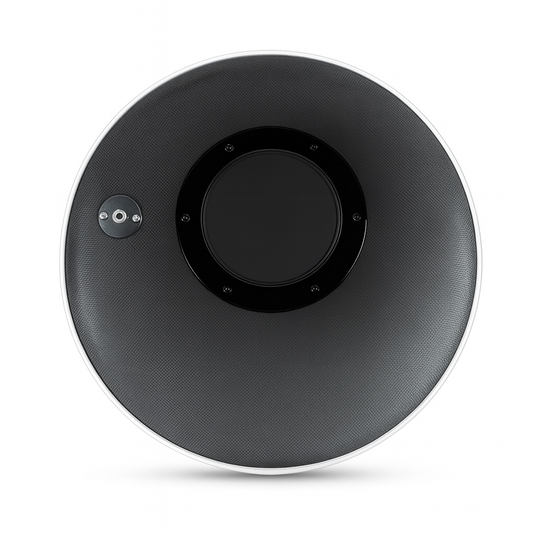
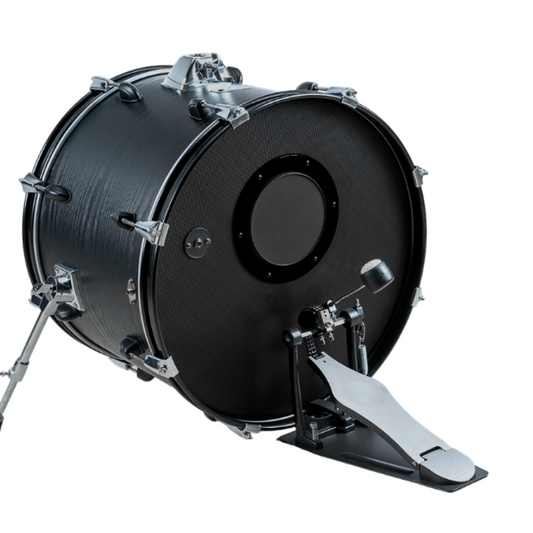
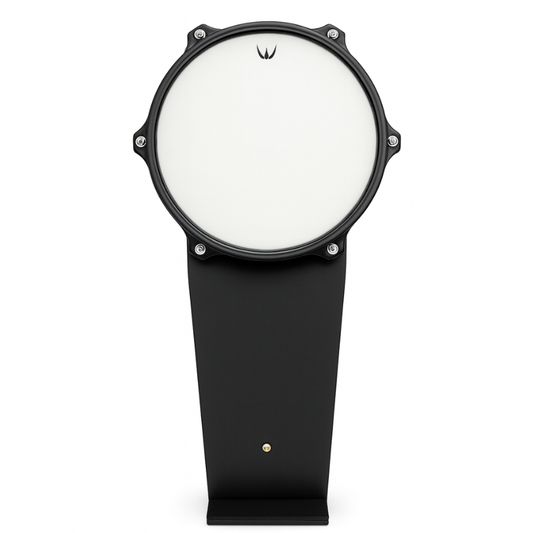
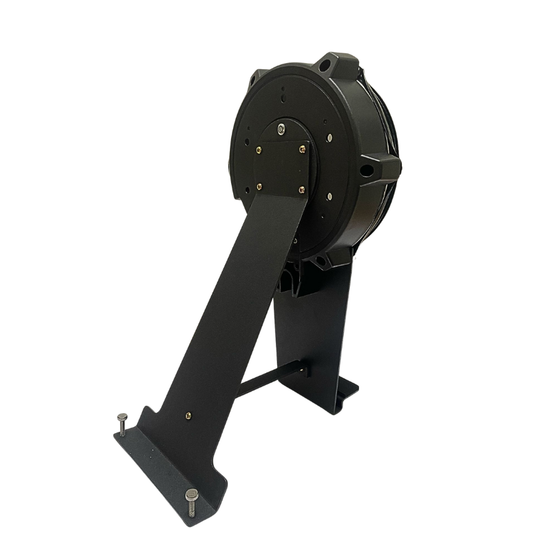
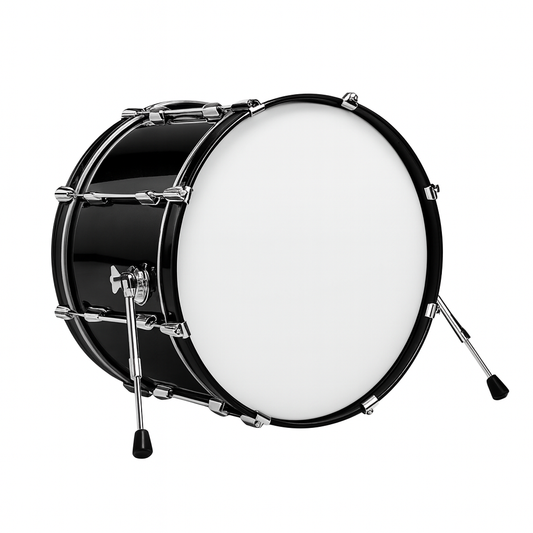
Move the kick to a dedicated tower pad with a quality single or double pedal for stronger attack cleaner beater rebound and reliable doubles
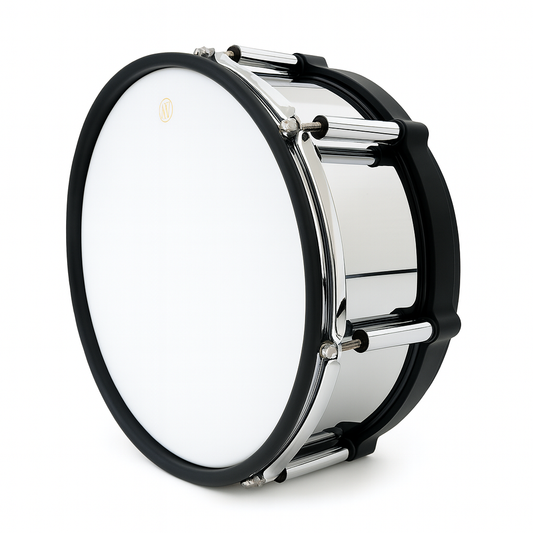
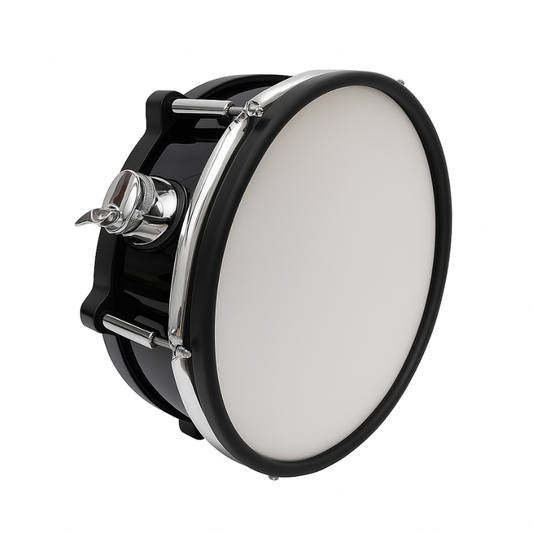
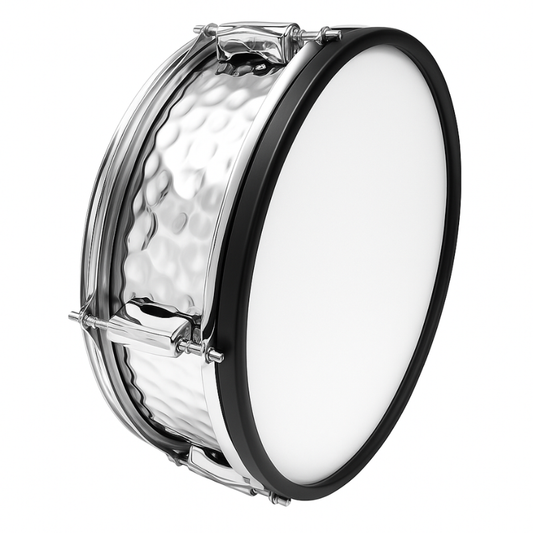
Step up the snare to a larger dual-zone or mesh option to expand the sweet spot refine cross-stick and deliver convincing rimshots
Tighten hi-hat tracking with a responsive controller on a solid stand to unlock nuanced half-open behavior crisp chick and controlled splashes
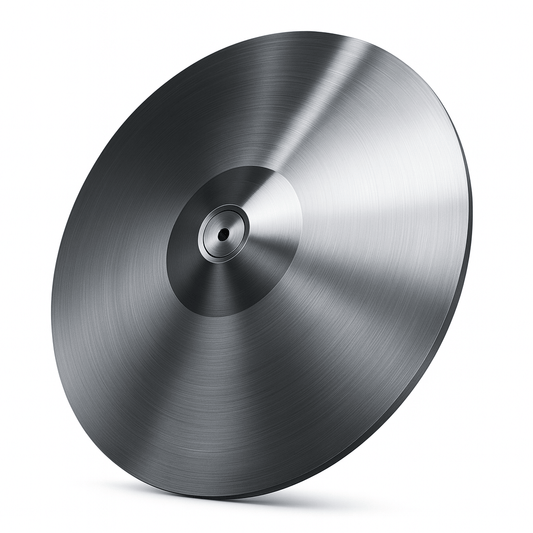
Adopt larger multi-zone cymbal pads with choke for expressive crashes long swells and a clearly defined ride bell or choose a higher-spec ride for better positional sensing
Reinforce the rack with sturdier clamps boom arms and tidy cabling to tame movement and reduce inter-pad crosstalk
Monitor through an e-drum amp FRFR speaker or comfortable closed-back headphones to reveal low-end weight transient detail and ambience controls on the module
Connect the DTX-PROX to your DAW via multi-channel USB audio and MIDI capture MIDI while printing a safety stereo from the module to keep hybrid options open at mix time
Snare and Toms — Feel First Then Trigger Tuning
Pick a bigger dual-zone snare to increase playing surface and sharpen head to rim separation
Tension heads evenly and refine sensitivity threshold and scan settings inside the module to curb hot-spotting while preserving soft strokes
Balance rim gain so backbeats land with authority and ghosted rimshots remain controlled across velocities
Kick — Impact Speed Consistency
Use a tower kick pad for natural rebound and dependable single and double pedal tracking
Raise mask time slightly to prevent double triggering and align sensitivity with beater hardness and your technique so fast passages remain even
Hi-Hat — Resolution Calibration Expression
Pair a precise controller with a sturdy stand to extend pedal range and half-open resolution
Run the module’s open and close calibration after installation to secure a clean chick predictable openness and reliable pedal splashes in dense patterns
Cymbals — Size Zones Musical Control
Choose a 14–16 inch ride with a defined bell zone for articulate bell figures and smooth bow definition or upgrade to a model with enhanced positional sensing
Angle cymbals slightly toward you enable choke where supported and set scan time to preserve crescendos while avoiding spurious hits during swells
Hardware and Layout
Stronger clamps boom arms and neat cable routing keep pads planted reduce vibration bleed and limit false crosstalk
Aim for acoustic-style placement with the snare centered toms descending logically and the ride positioned above the floor-tom area to shorten stick travel
Monitoring and Recording
Closed-back low-impedance headphones provide isolation and honest low-end so the kick still feels real at practice volume
An e-drum amp or FRFR cabinet moves air for stage-style punch position it near ear height for clearer transients and module ambience details
Leverage the DTX-PROX multi-channel USB to print discrete tracks record MIDI for editing and keep a quick recall stereo from the module for fast demo mixes
DTX-PROX Module Setup Notes
Start with conservative input gain and raise until heavy strokes sit just below clipping on the meters
Match pad sensitivity and threshold to your touch add minimal mask time only where needed and store user kits for practice recording and live presets so you can switch instantly
Apply crosstalk cancel on problematic neighbors and revisit calibration whenever you change pads stands or room placement
FAQ
Can I use a double pedal with a DTX-PROX setup
Yes a tower kick pad with a double pedal tracks evenly once sensitivity and mask time are dialed in and the beater angle is consistent
Should I prioritize a bigger snare or upgraded ride first
If ghost notes and rimshots matter most start with the snare if bell definition and timekeeping clarity are the goal prioritize the ride
Will larger cymbals fit my current rack
In most rigs yes though sturdier clamps and boom arms may be required for added diameter and reach especially on the ride
Do I still need an audio interface if the module has multi-channel USB
An interface can further reduce latency expand inputs and provide monitor mixes but the DTX-PROX USB audio and MIDI are sufficient for many hybrid workflows
Which headphones work best for e-drums
Comfortable closed-back models with strong low-frequency extension deliver realistic kick impact isolation and better translation of module ambience
How do I tame false triggering
Lower sensitivity slightly raise threshold a touch add minimal mask time and apply crosstalk cancel only on the pad pairs that show bleed
yamaha dtx prox upgrades, dtx-prox upgrades, yamaha electronic drum upgrades, dtx-prox hi hat upgrade, dtx-prox kick pad, dtx-prox cymbal upgrade, dtx-prox usb audio midi, dtx-prox vst setup